Checked Jul 29, 2026 - 3 min read
Gyeongbokgung Hanbok Rental: Tickets, Photos & Etiquette
Discover Gyeongbokgung Palace hanbok rental tips, official admission rules for foreign visitors, shop location trade-offs, luggage advice, and photo spots.
Quick answer
Discover Gyeongbokgung Palace hanbok rental tips, official admission rules for foreign visitors, shop location trade-offs, luggage advice, and photo spots.
Checked
Jul 29, 2026
Source-aware review
Official-source checked
Read time
3 min read

Travel context
Gyeongbokgung Hanbok Rental: Tickets, Photos & Etiquette
Photo: Alexander London / Pexels
Before you go
Visit snapshot
| Check | What to use |
|---|---|
| Hours | 09:00 opening; closing varies by season |
| Closed | Tuesdays; always confirm official notices |
| Ticket | Adults 19-64: 3,000 won; many under-18 foreign visitors qualify for free entry |
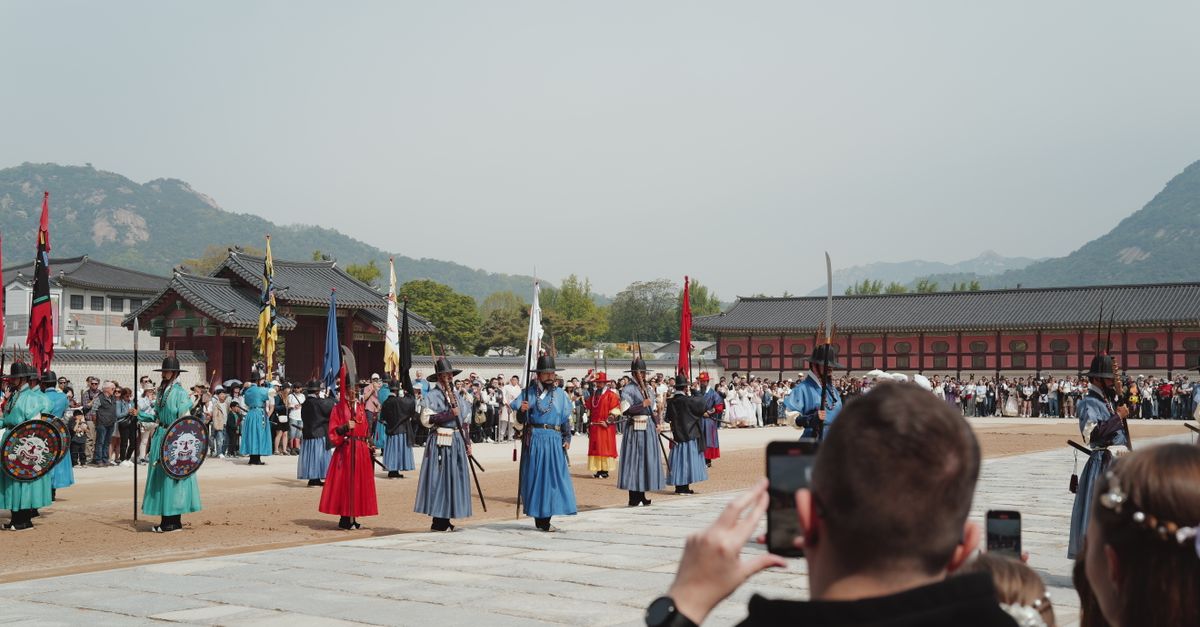
| Guard ceremony | Royal guard change usually runs 10:00 and 14:00 |
| Hanbok | Free palace entry is commonly available when wearing hanbok |
| Time needed | 2-3 hours for palace, photos, and one nearby museum |
First-visit checklist
- Confirm official hours, closures, tickets, and reservation rules before leaving.
- Start with the main route anchor before adding side stops.
- Keep one nearby backup for rain, crowds, heat, or timing changes.
- Use photos for context, then follow current signs and staffed guidance on site.
Use this snapshot to decide the visit flow quickly, then verify live details from official sources.
Renting a traditional or modern Korean hanbok (한복) is a popular way to explore Gyeongbokgung Palace (경복궁) because visitors wearing approved traditional attire receive free admission. Most rental shops are concentrated around Anguk Station (안국역) and Gyeongbokgung Station (경복궁역). While standard rentals range from a few hours to a full day, visitors should review shop policies, closing days, and practical constraints before booking.
Choosing Your Rental Shop Location and Managing Friction
The two primary areas for hanbok rental shops offer distinct advantages depending on your arrival route and walking tolerance. The Anguk Station cluster, accessed via Exit 2 or 3, features numerous boutique shops on quieter streets and places you closer to Bukchon Hanok Village (북촌한옥마을). The Gyeongbokgung Station cluster, accessed via Exit 4, puts you directly across from the palace's main western and northern approaches, minimizing your walk in heavy skirts or elaborate traditional shoes.
Travelers with heavy luggage or large strollers should note that many traditional rental shops occupy older buildings with narrow staircases and limited elevator access. If you are traveling with large bags, confirm in advance that your chosen shop provides free on-site luggage storage, as most reputable operators allow you to store your belongings while you are out in hanbok. For visitors with limited mobility, choosing a street-level shop near Gyeongbokgung Station Exit 4 reduces slope and stair friction compared to the hilly terrain around Bukchon.
Palace Admission Rules and Access Verification
Visitors wearing a recognized hanbok bypass the standard ticket queues and proceed directly to the designated free admission gate alongside the main ticketing area. Gyeongbokgung Palace is closed every Tuesday, so verify current operating hours and seasonal closing schedules before scheduling your visit.
When renting a hanbok, ensure the design complies with the palace's free admission guidelines, which generally require both upper and lower traditional garments such as the jeogori and skirt or pants. Rental staff are familiar with these standards and will help you select compliant outfits. If inclement weather occurs, most shops provide complementary umbrellas or allow rescheduling, but always confirm their weather policy prior to payment.
Best Photo Spots and Route Strategy
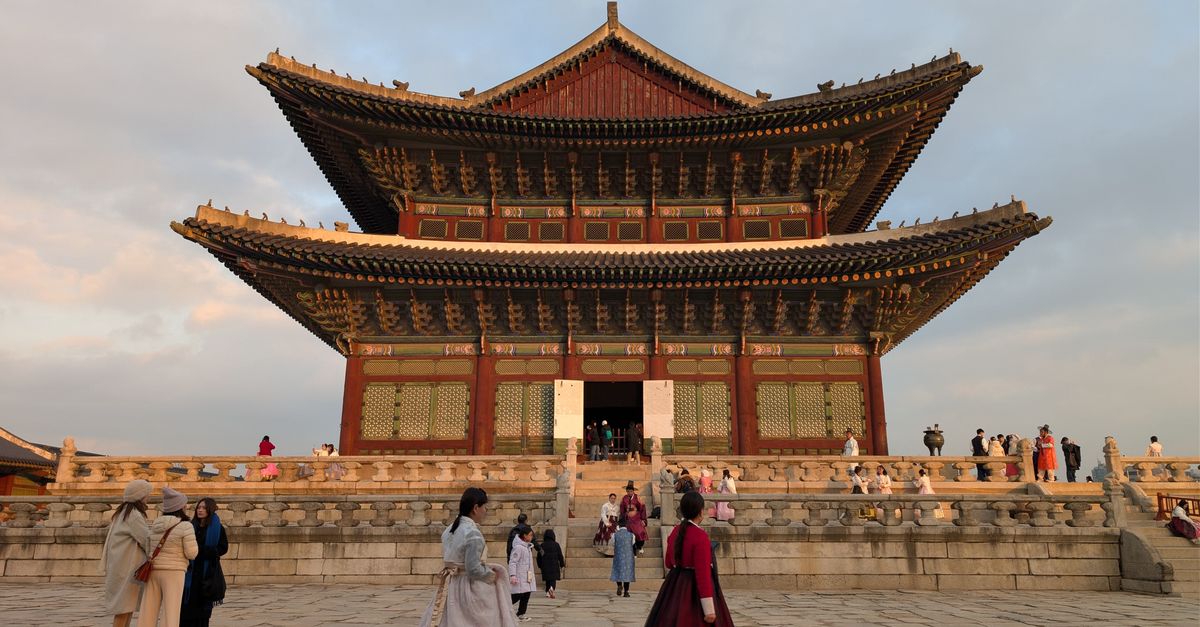
Enter the palace as soon as the gates open to enjoy the grounds during the quieter morning hours. Key photographic locations include Geunjeongjeon (근정전), the main throne hall, and Gyeonghoeru (경회루), the royal banquet pavilion situated on an artificial pond.
Visitors should wear comfortable walking shoes or sneakers that can be easily slipped back on when changing, as palace courtyards consist of packed gravel and uneven stone paving. If you are visiting during the peak summer or winter seasons, check local forecasts and dress in appropriate layers beneath your hanbok, as rental fabrics are often lightweight and offer minimal insulation against extreme temperatures.
Decision Criteria for Travelers
When deciding whether to rent a hanbok for your Gyeongbokgung visit, weigh the physical demands against the cultural experience. Visitors with packed itineraries or physical constraints should plan for shorter rental windows of two to four hours, as heavy skirts and traditional shoes can cause fatigue on expansive palace grounds. Independent travelers can easily walk in from nearby subway exits without pre-booking, while peak weekend visitors benefit from making advance reservations online through authorized platforms.
For travelers seeking a complete itinerary or customized transport arrangements across Seoul, professional travel coordination services can streamline your schedule. You can review our custom travel planning options or explore digital connectivity solutions like an eSIM for seamless navigation upon arrival.
Source check
Use these primary sources to re-check prices, hours, booking rules, transport, and access conditions before travel.
- Royal Palaces and Tombs Center viewing hours
- Royal Palaces and Tombs Center admission fees
- Verify official viewing schedules and weekly closure rules at the Royal Palaces and Tombs Center viewing hours.
- Check standard age categories and policy details at the Royal Palaces and Tombs Center admission fees.
- Review broader transit and destination updates via VisitKorea official travel information.
Why this guide is reliable
Source-aware review
Built around official information, field notes, and traveler failure points.
Backup options included
Highlights what to do when maps, payment, transport, or timing does not work as expected.
Freshness check
Travel details can change, so each guide shows the last review date.
Related guides
Continue with nearby Korea travel decisions that often affect the same itinerary.
Gyeongbokgung Hanbok Visit: Rental, Photos, Tickets, and Timing
Plan a Gyeongbokgung hanbok visit with rental timing, entry tickets, palace rules, photo routes, weather checks, and a realistic return plan.
Navigating Korean Jjimjilbang and Sauna Etiquette for First-Time Visitors
Learn essential Korean jjimjilbang and sauna etiquette, bathing rules, locker procedures, and logistical tips for first-time foreign visitors.
Gyeongbokgung Palace Guide: Hours, Tickets, Hanbok, and Guard Ceremony
Plan Gyeongbokgung Palace with current hours, tickets, closure checks, hanbok timing, guard ceremony information, entrances, and a weather backup.
First-trip planning path
Use these guide links together when a first Seoul day depends on arrival transport, maps, payment, and one anchor stop.
- 1Incheon Airport to Seoul transport
Choose AREX, airport bus, taxi, or van before your first city route.
- 2Naver Map vs Kakao Map
Pick the navigation setup that makes station exits and walking routes easier.
- 3Foreign card and payment backup
Avoid payment blocks before tickets, transit cards, taxis, or local bookings.
- 4Gyeongbokgung Palace first visit
Plan hours, tickets, hanbok entry, guard ceremony timing, photos, and backup stops.
Map check
Gyeongbokgung Palace (경복궁)
Next step
Turn this guide into a trip plan
Use the most relevant booking, transfer, or group-trip option for this topic.