Checked Jul 24, 2026 - 3 min read
Jeonju Hanok Village Day Trip: Food, Transport, and Timing Guide
Plan jeonju hanok village day trip food transport and timing in Korea with clear route checks, local app notes, booking cautions, and a practical backup path for...
Quick answer
Plan jeonju hanok village day trip food transport and timing in Korea with clear route checks, local app notes, booking cautions, and a practical backup path for...
Checked
Jul 24, 2026
Source-aware review
Official-source checked
Read time
3 min read

Travel context
Jeonju Hanok Village Day Trip: Food, Transport, and Timing Guide
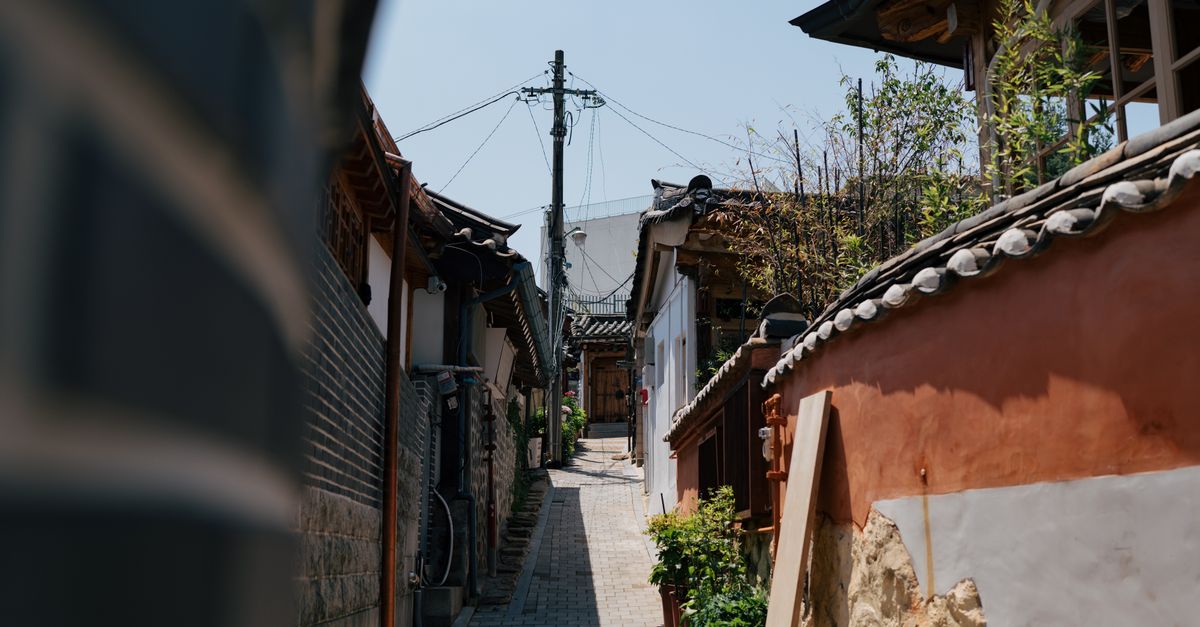
Photo: Jakob Jin / Pexels
Executing a day trip from Seoul to Jeonju Hanok Village (전주한옥마을) requires careful coordination of high-speed rail connections, local bus frequencies, and popular culinary queues to ensure you return by evening without missing your train.
The most reliable transit path starts at Yongsan Station (용산역) or Seoul Station (서울역), where you board a KTX train heading directly to Jeonju Station (전주역). Because walking from Jeonju Station to the historic village takes over an hour along busy municipal roads, visitors must transfer to a local city bus or take a short taxi ride immediately upon arrival.
Navigating these regional bus routes requires reliable digital mapping tools; foreign visitors should use Naver Maps or KakaoMap because Google Maps does not provide accurate provincial transit routing. For exact train schedules, seat classes, and advance ticketing rules, verify options directly on the official Let's Korail portal before departure.
Managing Transit, Stations, and Physical Constraints
Transit friction does not end when you arrive at Jeonju Station, particularly for travelers carrying heavy bags, strollers, or navigating mobility limits.
Jeonju Station lacks large-scale automated luggage lockers capable of storing oversized suitcases, so visitors arriving with multiple bags must store them at their Seoul accommodation or utilize station luggage storage services before boarding the morning train.
Visitors traveling with young children, strollers, or limited mobility will encounter traditional stone thresholds, gravel pathways, and steep staircases leading up to historical viewing points like Omokdae (오목대).
Stroller users should restrict their movement to the main paved alleys of Taejo-ro and avoid narrow residential side paths, substituting steps with gentle ramps where available.
If you experience sudden mobility fatigue during your exploration, utilize local tourist taxis stationed near major intersections rather than attempting long walking stretches across the entire district.
Timing Your Day Around Food Queues and Historic Sites
Jeonju is internationally famous for regional specialties such as Jeonju bibimbap, choco pies, and meat dumplings, but popular dining venues frequently develop long queues during peak afternoon lunch hours.
To keep your day trip on schedule, prioritize visiting key cultural attractions like Gyeonggijeon Shrine (경기전) or Jeonjuhyanggyo Confucian Academy (전주향교) during the morning hours, and eat an early lunch before the midday rush begins.
If a restaurant queue exceeds thirty minutes, abandon that specific venue and choose an alternative local eatery nearby to protect your return schedule. When exploring historical compounds such as Jeonjuhyanggyo Confucian Academy, wheelchair users and travelers with heavy strollers should note that traditional doorways often feature raised wooden sills.
Staff members do not always provide portable ramps, so visitors should plan for manual lifting assistance or view exhibits from the expansive outer courtyards. For late-arriving travelers who miss afternoon cultural entry slots, redirecting the evening toward neighborhood night walks remains a workable alternative.
Weather Backups and Official Verification
On rainy or extremely hot days, outdoor walking must be supplemented with indoor backup plans such as the Jeonju Craft Exhibition Hall or local traditional tea houses.
If unexpected weather disrupts your outdoor schedule, verify current indoor attraction hours and regional notices through the VisitKorea official travel information portal before changing your itinerary. To experience traditional architecture directly, visitors can review accommodation or day programs through the Visit Jeonju official Hanok Village guide.
If you need dedicated connectivity or custom route planning while moving between regional transport hubs, evaluate local eSIM providers and compare traveler decision criteria before booking.
DasiRoam may earn a commission from affiliate partners if you purchase through recommended links, though all recommendations remain focused on practical utility rather than promotional pressure.
Official source check
Re-check fares, hours, booking rules, and transport details against these primary official sources before acting:
Why this guide is reliable
Source-aware review
Built around official information, field notes, and traveler failure points.
Backup options included
Highlights what to do when maps, payment, transport, or timing does not work as expected.
Freshness check
Travel details can change, so each guide shows the last review date.
Related guides
Continue with nearby Korea travel decisions that often affect the same itinerary.
Gapyeong Nami Island Day Trip Timing in Korea: Practical Guide for Foreign Travelers
Plan gapyeong nami island day trip timing in korea practical guide for foreign travelers in Korea with clear route checks, local app notes, booking cautions, and...
Practical Guide to Korea Fall Foliage Day Trips: Best Routes, Timing, and Avoiding Crowds
Plan korea fall foliage day trip routes guide in Korea with clear route checks, local app notes, booking cautions, and a practical backup path for first-time vis...
Halal Food in Korea: Restaurant Checks, Apps, and Backup Meals
Plan halal food in korea restaurant checks apps and backup meals in Korea with clear route checks, local app notes, booking cautions, and a practical backup path...
First-trip planning path
Use these guide links together when a first Seoul day depends on arrival transport, maps, payment, and one anchor stop.
- 1Incheon Airport to Seoul transport
Choose AREX, airport bus, taxi, or van before your first city route.
- 2Naver Map vs Kakao Map
Pick the navigation setup that makes station exits and walking routes easier.
- 3Foreign card and payment backup
Avoid payment blocks before tickets, transit cards, taxis, or local bookings.
- 4Gyeongbokgung Palace first visit
Plan hours, tickets, hanbok entry, guard ceremony timing, photos, and backup stops.
Next step
Turn this guide into a trip plan
Use the most relevant booking, transfer, or group-trip option for this topic.