Checked Jul 12, 2026 - 4 min read
Korea Luggage Storage Subway Locker Checks in Korea: Practical Guide for Foreign Travelers
Use Korea subway lockers and luggage storage with station checks, payment tips, size limits, late-night access, and backup storage options.
Quick answer
Seoul Metro and Korail station lockers are a cheap, safe way to store luggage for a few hours or overnight. Most lockers accept T-money cards or credit cards; coins are rarely needed. You can find them at major subway stations lik...
Checked
Jul 12, 2026
Source-aware review
Official-source checked
Read time
4 min read

Travel context
Korea Luggage Storage Subway Locker Checks in Korea: Practical Guide for Foreign Travelers
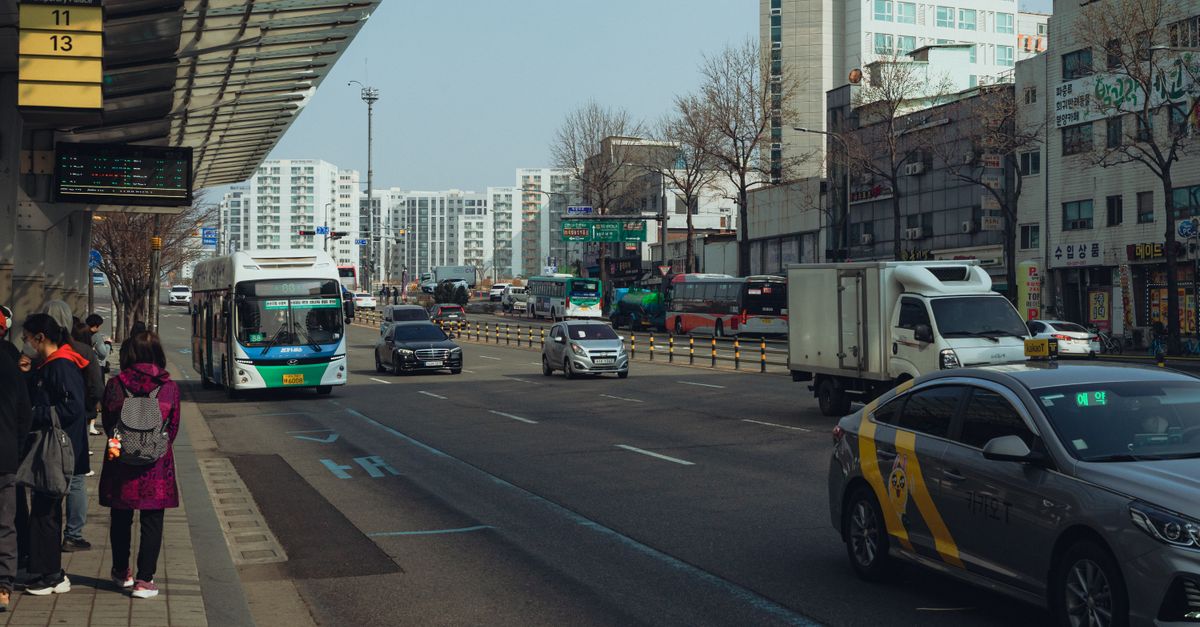
Photo: Sergei Starostin / Pexels
Before you go
Visit snapshot
| Check | What to use |
|---|---|
| Before you go | Re-check official pages and local apps |
| Backup | Route, staffed help, or rainy-day alternative |
| Bring | Payment, map, and booking details |
| Last checked | Jul 12, 2026 |
First-visit checklist
- Confirm official hours, closures, tickets, and reservation rules before leaving.
- Start with the main route anchor before adding side stops.
- Keep one nearby backup for rain, crowds, heat, or timing changes.
- Use photos for context, then follow current signs and staffed guidance on site.
Use this snapshot to decide the visit flow quickly, then verify live details from official sources.
Korea Luggage Storage Subway Locker Checks in Korea: Practical Guide for Foreign Travelers works best when you decide the route, timing, payment or booking step, and backup option before the travel day. Start by checking the official source links, then compare the station, ticket, reservation, map, or weather detail that could block the plan.
Quick answer
Seoul Metro and Korail station lockers are a cheap, safe way to store luggage for a few hours or overnight. Most lockers accept T-money cards or credit cards; coins are rarely needed. You can find them at major subway stations like Seoul Station, Myeongdong, Hongdae, and Gangnam. Use the official VisitKorea website or the Seoul Metro app to locate lockers at specific stations.
Best route
- Check station locker availability – Use the Seoul Metro website or app (search for “서울메트로 사물함” or “Seoul Metro locker”). Not all stations have lockers; major transfer stations and tourist hubs do. Measure your bag beforehand. Payment – Most lockers accept T-money (transport card) or credit/debit cards. Some older lockers may need coins, but they are rare. Carry a T-money card as backup. Operation – Touch the screen to select your language (English available). Choose a locker size, pay, and the door opens. Keep the receipt or note the locker number and password. Retrieval – Enter the locker number and password (or scan the receipt barcode) to open the door. If you lose the receipt, contact station staff.
Timing and tickets
| Feature | Details | Check before storing |
|---|---|---|
| Operating hours | Lockers are usually accessible during subway operating hours. Some station lockers may be inside the paid gate area, so entering or exiting can require a valid ticket. | Check the locker screen or ask station staff before leaving the area. |
| Payment methods | Most lockers accept T-money or major credit/debit cards; a few older lockers may still rely on coins. | Confirm extra-hour charges before closing the locker. |
Photo plan
Mistakes to avoid
Decision table
Use this table to choose the safest option for Korea Luggage Storage Subway Locker Checks in Korea: Practical Guide for Foreign Travelers.
| Option | Check first | Best when | Backup risk |
|---|---|---|---|
| Train or subway | Station, exit, transfer, last service | You have light luggage and a clear route | Stairs, transfers, or final-train timing |
| Bus or limousine | Stop location, ticket method, route number | Your hotel area is near a direct stop | Traffic or missed last bus |
| Taxi or van | Pickup point, payment, luggage fit | Late arrival, group travel, or heavy bags | Higher cost and language friction |
Source check
Re-check these sources before relying on any fare, hour, booking rule, closure, route, or safety detail:
- Verify broad Korea visitor information on VisitKorea.
- Verify airport railroad route and service information on AREX.
- Verify rail booking and train notices on KORAIL.
- If the official page conflicts with this guide, follow the official page and treat this article as planning context.
- VisitKorea official travel information – https://english.visitkorea.or.kr/
- Seoul Metro locker information – Check the Seoul Metro website or app for station-specific locker availability.
- Korail station lockers – For KTX/subway stations, visit the Korail website or ask at the station information desk.
FAQ
Q: Can I use a credit card to pay for a subway locker? A: Yes, most modern lockers accept credit/debit cards (Visa, Mastercard, etc.). Some also accept T-money cards. Cash is rarely accepted.
Q: How long can I leave my luggage in a subway locker? Overnight storage is usually allowed.
Q: What if I lose the receipt or forget the password? A: Contact station staff. They can help open the locker after verifying your identity. Keep a photo of the receipt as backup.
Q: Are lockers safe for valuables? A: Lockers are generally safe, but avoid storing high-value items like passports or large amounts of cash. Use hotel safes for valuables.
Q: Can I store luggage at a subway station if I'm not taking the subway? A: Yes, many lockers are located in the unpaid area (outside the gates), so you can access them without a subway ticket. Check the station map.
Q: Is there a size limit for suitcases? Measure your bag before arriving. If it's too big, consider luggage storage services at major stations or airports.
Q: Do lockers have English instructions? A: Yes, most digital lockers have an English language option on the touchscreen. Follow the on-screen prompts.
Q: What happens if I exceed the time limit? A: You may be charged extra per hour. If you exceed by many hours, staff may move your luggage to a lost-and-found. Always retrieve on time.
Q: Can I store luggage overnight at a subway locker? A: Yes, overnight storage is allowed at most stations. Check the locker screen.
Q: Are there luggage storage services other than lockers? A: Yes, major stations like Seoul Station and Myeongdong have luggage storage shops (e.g., “Keep” or “Luggage Storage”) that accept larger items and offer longer storage. These are usually more expensive but more flexible.
Why this guide is reliable
Source-aware review
Built around official information, field notes, and traveler failure points.
Backup options included
Highlights what to do when maps, payment, transport, or timing does not work as expected.
Freshness check
Travel details can change, so each guide shows the last review date.
Related guides
Continue with nearby Korea travel decisions that often affect the same itinerary.
Korea Subway Locker Luggage Storage Travelers in Korea: Practical Guide for Foreign Travelers
Korea’s subway lockers (사물함, samulham) are a convenient way to store luggage while exploring between hotel check in/out or before a flight. Major subway stations.
Using Kakao T Taxi in Korea: A Foreign Traveler's Practical Guide
Use Kakao T Taxi in Korea with pickup-pin checks, destination entry tips, payment options, late-night risks, and backup ride choices for visitors.
Korea eSIM, SIM, and Wi-Fi: Best Setup for Foreign Travelers
Choose between Korea eSIM, tourist SIM, and pocket Wi-Fi with practical setup steps, source checks, and backup plans for foreign travelers.
First-trip planning path
Use these guide links together when a first Seoul day depends on arrival transport, maps, payment, and one anchor stop.
- 1Incheon Airport to Seoul transport
Choose AREX, airport bus, taxi, or van before your first city route.
- 2Naver Map vs Kakao Map
Pick the navigation setup that makes station exits and walking routes easier.
- 3Foreign card and payment backup
Avoid payment blocks before tickets, transit cards, taxis, or local bookings.
- 4Gyeongbokgung Palace first visit
Plan hours, tickets, hanbok entry, guard ceremony timing, photos, and backup stops.
Next step
Turn this guide into a trip plan
Use the most relevant booking, transfer, or group-trip option for this topic.