Checked Sep 2, 2026 - 5 min read
Seoul Museum Rainy Day Itinerary: Indoor Culture Route
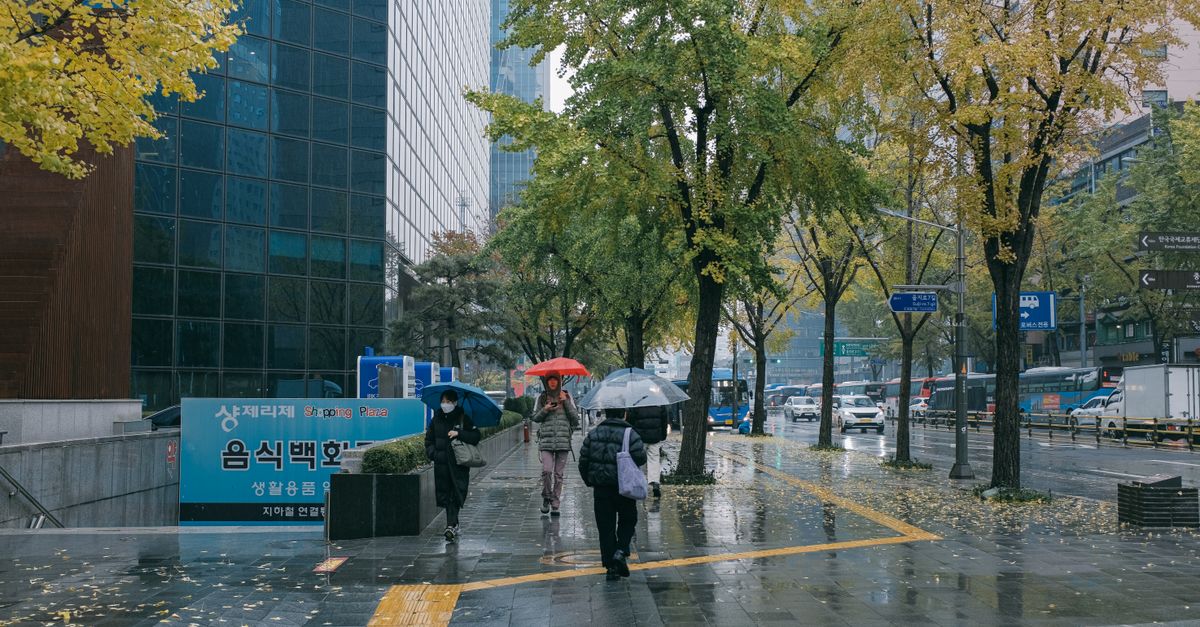
When unexpected rain disrupts travel plans in Seoul, transitioning to large indoor cultural venues keeps the day on track without relying on outdoor walking.

Travel context
Seoul Museum Rainy Day Itinerary: Indoor Culture Route
Photo: Theodore Nguyen / Pexels
Quick answer
When unexpected rain disrupts travel plans in Seoul, transitioning to large indoor cultural venues keeps the day on track without relying on outdoor walking.
Checked
Sep 2, 2026
Source-aware review
Official-source checked
Read time
5 min read
When unexpected rain disrupts travel plans in Seoul, transitioning to large indoor cultural venues keeps the day on track without relying on outdoor walking routes.
The primary destination for a reliable rainy day route is the National Museum of Korea (국립중앙박물관) located in Yongsan-gu, which connects directly to major subway lines and offers extensive indoor galleries. To ensure a smooth visit, foreign visitors must account for transit transfers, luggage restrictions, and closure schedules before leaving the hotel.
The Route That Keeps the Day Realistic
A workable rainy day itinerary in Seoul should minimize outdoor exposure and avoid zig-zagging across the city during peak traffic. Start your morning at the National Museum of Korea, accessible via Ichon Station (이촌역) on Subway Line 4 and the Jungang Line.
Exit the station through the covered underground passageway leading directly toward the museum entrance, which protects visitors from heavy rain and wind. Spend three to four hours exploring the permanent collections, which feature clear English signage and spacious climate-controlled galleries.
For travelers with large suitcases or heavy backpacks, the National Museum of Korea provides coin lockers and a staffed luggage storage area near the main lobby entrance.
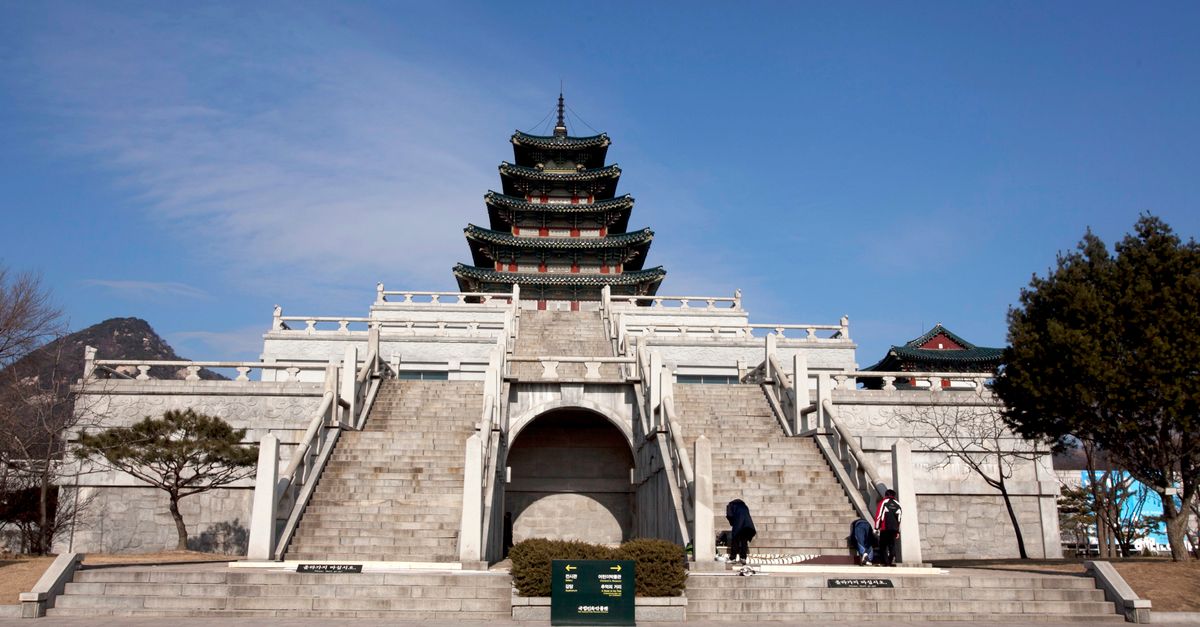
If you are traveling with a stroller or require step-free access, follow the elevator signs from Ichon Station Exit 2 up to ground level, then use the smooth stone ramps leading to the main museum plaza. Avoid the outdoor stone staircases near the central pagoda when wet, as the polished granite becomes slippery during heavy precipitation.
Travelers with limited mobility can borrow wheelchairs free of charge at the information desk in the main lobby by presenting a valid passport or photo ID.
Transitioning to the Afternoon Indoor Stops
After completing the morning museum visit, transition indoors to the Yongsan area or head toward city center attractions such as the Seoul Museum of Art (서울시립미술관) near City Hall Station (시청역) on Subway Lines 1 and 2.
When transferring via the Seoul Subway system, check Naver Map or KakaoMap to identify stations equipped with elevators, as older transfer corridors often feature long flights of stairs without immediate lift access. Visitors encumbered by shopping bags or rolling luggage should use station storage lockers before boarding crowded afternoon trains.
Families with young children or travelers seeking an entirely subterranean afternoon can alternatively route from Ichon Station to Samseong Station (삼성역) on Line 2 to visit the Coex Mall complex, Starfield Library, and Coex Aquarium.
This indoor cluster allows visitors to spend the entire afternoon walking between climate-controlled shopping malls, restaurants, and exhibition spaces without stepping outside into puddles or stormy weather. Parents using strollers will find wide elevators and nursing rooms located on multiple floors throughout the Coex complex.
Time, Transit, and Operational Friction
Managing time efficiently during a rainy day in Seoul requires understanding local transit delays and crowd surges. When rain begins, subway cars and underground transfer tunnels fill rapidly with commuters and displaced tourists.
Allow an extra fifteen to twenty minutes for every subway transfer, particularly at major interchange stations like Samgakji Station (삼각지역) or City Hall Station. Purchase single-journey transit tickets or reload your T-money card at station kiosks before peak rush hours to avoid long queues at ticket machines.
Most national and municipal museums in Seoul maintain strict closure rules on Mondays, while others alter their evening closing hours depending on the day of the week. Do not assume that all indoor cultural facilities remain open on public holidays or Mondays; always verify operational calendars ahead of time.
If a sudden severe weather warning is issued by the Korea Meteorological Administration, check official announcements regarding public transport adjustments or facility early closures before attempting cross-city transit.
What to Drop First When Delays Occur
When transit congestion, heavy luggage, or slow elevator queues eat into your schedule, immediately drop secondary sightseeing stops such as outdoor sculpture gardens, walking streets, or peripheral shopping markets.
Prioritize the single primary indoor museum on your itinerary and cancel any ambitious plans to visit three different cultural centers in one afternoon. Overpacking a rainy day schedule leads to excessive fatigue, missed train connections, and unnecessary stress in crowded subterranean walkways.
If rain intensifies into a severe storm, stay inside the nearest major subway station complex, enjoy a meal at an underground food hall, and wait for transit conditions to stabilize before attempting further travel.
For visitors requiring continuous navigation support and real-time translation while moving through indoor transit hubs, securing a reliable local data connection via an eSIM from operators such as SK Telecom or KT before arrival is a practical choice.
Having instant access to local transport apps ensures you can quickly reroute around flooded exits or sudden line suspensions. Travelers planning complex multi-destination cultural tours can also utilize customized itinerary planning services to align transit routes with accessibility needs.
Official source check
Re-check fares, hours, booking rules, and transport details against these primary official sources before acting:
- National Museum of Korea official visitor information
- Seoul Tourism Organization official attractions guide
Source check
Use these primary sources to re-check prices, hours, booking rules, transport, and access conditions before travel.
Re-check these sources before relying on any fare, hour, booking rule, closure, route, or safety detail:
- Verify broad Korea visitor information on VisitKorea. - Verify Korea weather forecasts and warnings on KMA. - Verify local Seoul travel notices on Visit Seoul. - If the official page conflicts with this guide, follow the official page and treat this article as planning context.
FAQ
Q: What should I verify before using this Seoul Museum Rainy Day Itinerary: Indoor Culture Route guide? A: Check the official source links for current fares, hours, booking rules, closures, routes, and safety notices before you act.
Q: What is the safest backup if the plan changes? A: Keep one alternate route, one alternate payment or booking method, and one staffed help option such as an information desk or official support channel.
Why this guide is reliable
Source-aware review
Built around official information, field notes, and traveler failure points.
Backup options included
Highlights what to do when maps, payment, transport, or timing does not work as expected.
Freshness check
Travel details can change, so each guide shows the last review date.
First-trip planning path
Use these guide links together when a first Seoul day depends on arrival transport, maps, payment, and one anchor stop.
- 1Naver Map vs Kakao Map
Pick the navigation setup that makes station exits and walking routes easier.
- 2Gyeongbokgung Palace first visit
Plan hours, tickets, hanbok entry, guard ceremony timing, photos, and backup stops.
Next step
Turn this guide into a trip plan
Use the most relevant booking, transfer, or group-trip option for this topic.
Related guides
Continue with nearby Korea travel decisions that often affect the same itinerary.
Haeundae to Gwangalli: A One-Day Busan Beach Route
When planning a first trip to Busan, travelers often try to pack every coastal landmark into a single afternoon. The most reliable one day route starts.
Suwon Hwaseong Fortress Day Trip Transport Tickets: The Complete Route and Transfer Guide
Visiting Suwon Hwaseong Fortress (수원화성) from Seoul requires coordinating intercity rail or subway lines, local transit buses, and specific ticket verification.
Gyeongju Day Trip Planning: Heritage Sites, Transport, and Timing
Planning a day trip from Seoul to Gyeongju (경주) requires balancing high speed rail transit, local bus intervals, and widely separated heritage monuments. Because.
Gyeongbokgung Palace first visit
Plan hours, tickets, hanbok entry, guard ceremony timing, photos, and backup stops.