Checked Sep 1, 2026 - 7 min read
Suwon Hwaseong Fortress Day Trip Transport Tickets: The Complete Route and Transfer Guide
Visiting Suwon Hwaseong Fortress (수원화성) from Seoul requires coordinating intercity rail or subway lines, local transit buses, and specific ticket verification.

Travel context
Suwon Hwaseong Fortress Day Trip Transport Tickets: The Complete Route and Transfer Guide
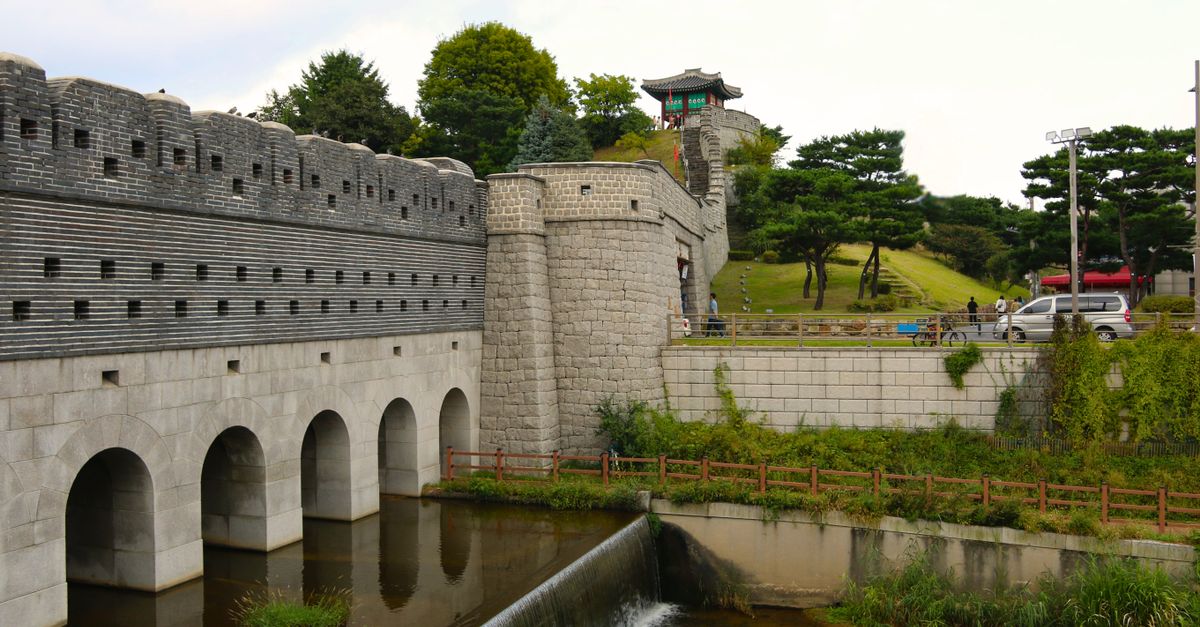
Photo: Henry Acevedo / Pexels
Quick answer
Visiting Suwon Hwaseong Fortress (수원화성) from Seoul requires coordinating intercity rail or subway lines, local transit buses, and specific ticket verification.
Checked
Sep 1, 2026
Source-aware review
Official-source checked
Read time
7 min read
Visiting Suwon Hwaseong Fortress (수원화성) from Seoul involves coordinated public transport, primarily through a combination of train and local bus services.
The most direct and commonly used route entails taking Seoul Subway Line 1 or a Korail regional train from major Seoul stations to Suwon Station (수원역), followed by a local bus ride to reach the fortress gates. Careful planning around transfer points and ticket verification is essential to maximize your time exploring this UNESCO World Heritage site.
Planning Your Route to Suwon Hwaseong Fortress
The journey to Suwon Hwaseong Fortress begins in Seoul and transitions through Suwon Station, a central hub for both intercity and local transport. Understanding each leg of the journey and associated transfer points will help streamline your day trip.
Seoul to Suwon Station by Train
Foreign visitors can choose between two main rail options from Seoul to Suwon Station. The most straightforward is Seoul Subway Line 1, which offers direct service from stations like Seoul Station (서울역) or Cheongnyangni Station (청량리역) to Suwon Station. This is generally the most economical choice.
Alternatively, Korail (Korea Railroad Corporation) operates faster regional trains, such as ITX-Saemaeul or Mugunghwa-ho, from stations like Seoul Station or Yongsan Station (용산역) to Suwon. While these trains offer a quicker journey, they typically require a separate ticket purchase and specific seat reservations.
For both options, verify current schedules and fares on the official Korail website for regional trains or through a local navigation app like Naver Maps (네이버 지도) or KakaoMap (카카오맵) for Subway Line 1 before your departure.
Suwon Station to Fortress Gates by Local Bus
Upon arrival at Suwon Station, head to the eastern central bus transfer platform. This area is well-signposted and accessible from the station's main concourse. From here, several local bus routes serve the main attractions of Suwon Hwaseong Fortress, including Hwaseong Haenggung Palace (화성행궁) and Janganmun Gate (장안문).
Common bus routes include 11, 13, and 39. These buses run frequently, but travel times can vary depending on local traffic conditions, especially during peak hours. Expect the bus ride to take approximately 15-20 minutes.
It is highly recommended to use a local map application such as Naver Maps or KakaoMap to track your bus's real-time location and upcoming stops, as English announcements on local buses may be limited. Inputting the specific gate or attraction, such as Hwaseong Haenggung Palace, as your destination will guide you to the nearest bus stop.
For those who prefer walking and have no mobility concerns, the southern gate, Paldalmun Gate (팔달문), is roughly a 25-minute walk from Suwon Station through urban streets.
Navigating Fortress Access and Ticket Purchases
Suwon Hwaseong Fortress is a vast site with both free-to-access areas and specific paid attractions. Understanding where and when to purchase tickets is crucial for a complete experience.
Understanding Fortress Entry and Paid Zones
The majority of the Suwon Hwaseong Fortress wall and its surrounding public areas are open for exploration without an admission fee. This means you can walk along significant portions of the ramparts and enjoy the historical atmosphere freely.
However, entry to specific historical pavilions, watchtowers, and most notably, Hwaseong Haenggung Palace (화성행궁), requires a paid admission ticket. These tickets are typically purchased at onsite kiosks located near major entry points like the main palace entrance or Janganmun Gate.
During special events or festivals, additional areas might require separate tickets or have altered access rules.
Verifying Current Ticket Information and Hours
Exact admission fees, operational hours for various pavilions, and schedules for special exhibitions or events at Suwon Hwaseong Fortress and Hwaseong Haenggung Palace can change seasonally or for specific occasions. Always verify the most current information directly from official sources before your visit.
The Korea Tourism Organization provides detailed information on the Suwon Hwaseong Special Tourist Zone and any ongoing events like the Suwon Hwaseong Media Art festival. During popular events or holidays, ticket queues, especially at Hwaseong Haenggung Palace, can become long.
Arriving shortly after opening hours can help you avoid the busiest times and ensure smooth entry.

Practical Considerations for a Smooth Day Trip
To ensure your day trip to Suwon Hwaseong Fortress is enjoyable, consider practical aspects such as managing luggage, addressing mobility needs, and traveling with children.
Managing Luggage and Mobility at Suwon Station and the Fortress
Suwon Hwaseong Fortress involves extensive walking, including paths that are uneven, unpaved, or include stairs. Carrying heavy luggage, such as rolling suitcases, across these surfaces is highly impractical and will significantly hinder your experience.
It is strongly recommended to utilize the automated electronic storage lockers available in the basement concourse of Suwon Station before transferring to local buses or walking to the fortress. These lockers typically accept T-Money cards or cash.
For travelers with limited mobility or those using wheelchairs, while Suwon Station itself is modern with elevators and escalators, the fortress grounds present challenges. Certain sections of the wall trail have steep inclines or stone steps that are not wheelchair-accessible.
For a more accessible experience, focus on the flatter, paved sections near major gates like Janganmun Gate or Paldalmun Gate. The Hwaseong Fortress Trolley (화성어차) offers a scenic route around parts of the fortress, providing an alternative for covering distances, though seating and operational details should be confirmed onsite.
Adjusting Your Plan for Children or Strollers
Families with small children or those using strollers will encounter similar challenges regarding uneven terrain and stairs along the fortress walls. Pushing strollers along the full 5. 7-kilometer perimeter can be very difficult. Consider using a baby carrier for infants or toddlers if you plan to walk significant portions of the wall.
If a stroller is essential, focus your visit on the more accessible areas such as the grounds around Hwaseong Haenggung Palace or the flat, paved sections inside the fortress near Paldalmun Gate and Janganmun Gate. These areas generally offer smoother paths and more facilities.
Be aware that local buses in Suwon can get crowded, making it challenging to board with a large stroller. If possible, opt for off-peak travel times or consider a taxi for shorter distances from Suwon Station to the fortress gates, which offers more space for families and strollers.
Weather Preparedness and Indoor Alternatives
Suwon Hwaseong Fortress is primarily an outdoor attraction, making weather conditions a significant factor for your day trip. Before departing Seoul, always check the weather forecast for Suwon via the Korea Meteorological Administration (KMA) website or a reliable local weather app.
Pay close attention to heavy rainfall warnings, extreme heat advisories, or poor air quality alerts.
If adverse weather conditions make outdoor exploration uncomfortable or unsafe, such as during a heavy rainstorm or severe heatwave, pivot to indoor cultural attractions in Suwon. Options include the Suwon Museum (수원박물관) or other local galleries, which offer engaging exhibits and a comfortable climate-controlled environment.
These venues are typically accessible by local bus from Suwon Station. Have a clear go/no-go decision path based on KMA warnings: if a severe weather alert is active, consider rescheduling or committing to indoor alternatives to ensure safety and comfort.
Always confirm the operating status of both outdoor and indoor attractions before purchasing transport tickets or starting your journey, as extreme weather can sometimes lead to temporary closures.
Source check
Use these primary sources to re-check prices, hours, booking rules, transport, and access conditions before travel.
- Korea Tourism Organization: Suwon Hwaseong Special Tourist Zone (수원화성 관광특구)
- Korea Tourism Organization: Suwon Hwaseong Media Art (수원화성 미디어아트)
Re-check fares, hours, booking rules, and transport details against these primary official sources before acting:
- Verify broad Korea visitor information, including potential changes to tourist zones or events, on VisitKorea. * For detailed information on Suwon Hwaseong Fortress, including general visitor guidance and special events, consult the Korea Tourism Organization: Suwon Hwaseong Special Tourist Zone (수원화성 관광특구). * For specific details on cultural performances or media art installations at the fortress, check the Korea Tourism Organization: Suwon Hwaseong Media Art (수원화성 미디어아트). * For current train schedules and ticket purchases for Korail regional trains, refer to the KORAIL website.
FAQ
Q: How long does it take to travel from Seoul to Suwon Hwaseong Fortress? A: The train journey from Seoul to Suwon Station takes approximately 30-40 minutes by Seoul Subway Line 1 or Korail regional trains. From Suwon Station, a local bus ride to the fortress gates adds another 15-20 minutes, not including transfer time or potential traffic delays.
Q: Do I need to purchase separate tickets for different parts of Suwon Hwaseong Fortress? A: While walking along the main fortress walls is generally free, specific historical sites like Hwaseong Haenggung Palace and certain pavilions require individual admission tickets, which can be purchased onsite at designated kiosks. Verify specific entry requirements and fees upon arrival.
Why this guide is reliable
Source-aware review
Built around official information, field notes, and traveler failure points.
Backup options included
Highlights what to do when maps, payment, transport, or timing does not work as expected.
Freshness check
Travel details can change, so each guide shows the last review date.
First-trip planning path
Use these guide links together when a first Seoul day depends on arrival transport, maps, payment, and one anchor stop.
- 1Naver Map vs Kakao Map
Pick the navigation setup that makes station exits and walking routes easier.
- 2Gyeongbokgung Palace first visit
Plan hours, tickets, hanbok entry, guard ceremony timing, photos, and backup stops.
Next step
Turn this guide into a trip plan
Use the most relevant booking, transfer, or group-trip option for this topic.
Related guides
Continue with nearby Korea travel decisions that often affect the same itinerary.
Gyeongju Day Trip Planning: Heritage Sites, Transport, and Timing
Planning a day trip from Seoul to Gyeongju (경주) requires balancing high speed rail transit, local bus intervals, and widely separated heritage monuments. Because.
Suncheon Bay Wetland and National Garden Transport Guide from Suncheon Station
Practical transport guide from Suncheon Station to Suncheon Bay Wetland and National Garden with routes, luggage tips, and official sources.
Tongyeong Cable Car and Island Ferry Day Trip
Plan a Tongyeong cable car and island ferry day trip with ticket checks, port transfers, weather decisions, return timing, and route backups.
Gyeongbokgung Palace first visit
Plan hours, tickets, hanbok entry, guard ceremony timing, photos, and backup stops.