Checked Jul 20, 2026 - 4 min read
Village Transport Etiquette Foreign in Korea: Practical Guide for Foreign Travelers
In Korean villages (마을, maeul), transport etiquette is simple but important. Greet the driver when boarding with a nod and "안녕하세요" (annyeonghaseyo), and say.
Quick answer
In Korean villages (마을, maeul), transport etiquette is simple but important. Greet the driver when boarding with a nod and "안녕하세요" (annyeonghaseyo), and say "감사합니다" (gamsahamnida) when alighting. Always tap your transportation car...
Checked
Jul 20, 2026
Source-aware review
Official-source checked
Read time
4 min read

Travel context
Village Transport Etiquette Foreign in Korea: Practical Guide for Foreign Travelers
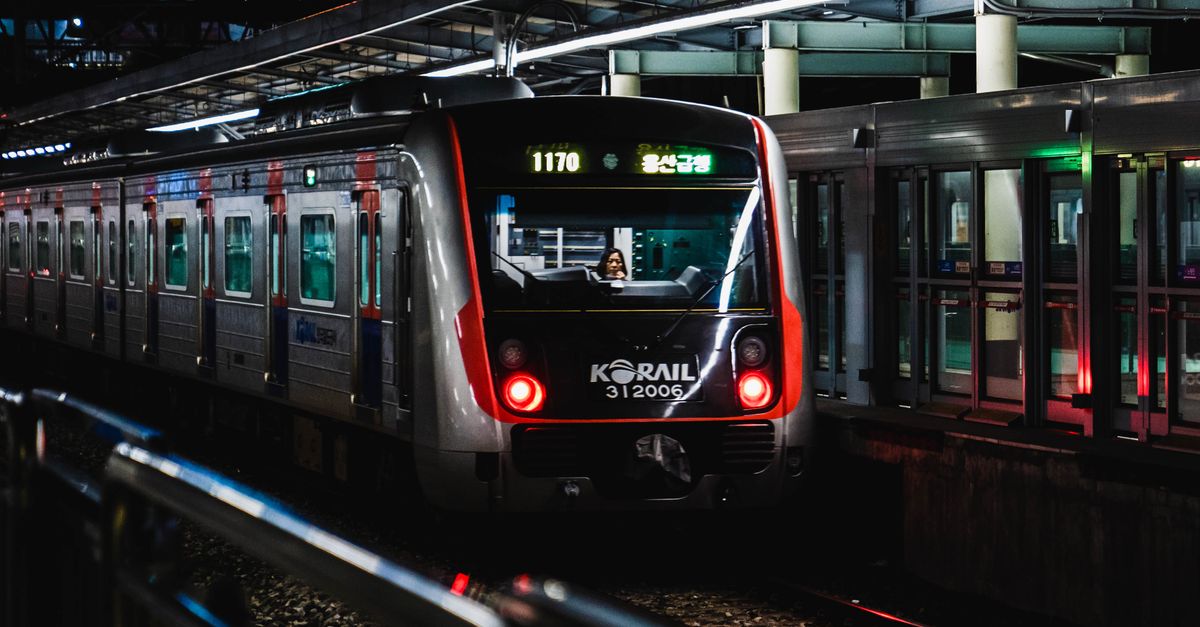
Photo: Theodore Nguyen / Pexels
Quick answer
In Korean villages (마을, maeul), transport etiquette is simple but important. Greet the driver when boarding with a nod and "안녕하세요" (annyeonghaseyo), and say "감사합니다" (gamsahamnida) when alighting. Always tap your transportation card (T-money or Cashbee) on the reader when boarding and again when getting off. Press the stop button (정류장 하차) well before your stop, or the bus may skip it. Buses run less frequently than in cities—often every 30–60 minutes—so check schedules in advance using Naver Map or Kakao Map. For taxis, use the Kakao T app or flag one down, and have your destination written in Korean ready.
Best route
Villages are connected by village buses (마을버스) or intercity buses (시외버스). To find the right bus:
- Use Naver Map or Kakao Map (not Google Maps, which is unreliable in rural areas). Search your destination in Korean.
- At the bus stop, look for a yellow or blue sign with route numbers and a timetable. Many stops have a QR code you can scan for real-time bus arrival info.
- If you're staying at a pension or guesthouse, ask the host for the nearest bus stop and the best route. They may also know local taxi drivers.
For longer distances between villages, take an intercity bus from the nearest terminal. Check the terminal location on Naver Map and buy a ticket at the counter or from a machine (cash or card).
Timing and tickets
Village buses run less frequently than city buses—often every 30–60 minutes, and some routes stop early (by 8–9 PM). Always check the last bus time at the stop or on Naver Map. Tickets: use a T-money or Cashbee card (tap on the reader when boarding and again when alighting). If you don't have a card, prepare exact cash (coins only, as drivers usually don't give change). You can buy and reload T-money cards at convenience stores (GS25, CU, 7-Eleven). Credit cards are not accepted on village buses.

Photo plan
Villages offer great photo opportunities: traditional houses (hanok), rice fields, mountain views. For the best light, shoot during golden hour (sunrise or sunset). Be respectful—do not take photos of people without permission, and avoid entering private property. Some villages have designated photo spots; look for signs or ask at the tourist office.
Mistakes to avoid
- Assuming Google Maps works – it often gives wrong walking directions or missing bus routes in rural areas. Always use Naver Map or Kakao Map.
- Forgetting to press the stop button – if you don't, the bus may skip your stop. Press the red button (정류장 하차) well in advance.
- Not having a transportation card – many village buses don't accept credit cards. Get a T-money card at any convenience store.
- Missing the last bus – always note the last departure time. If you miss it, you may need to call a taxi, which can be expensive and hard to find in remote areas.
Decision table
Use this table to choose the safest option for village transport.
| Option | Check first | Best when | Backup risk |
|---|---|---|---|
| Village bus | Last bus time, route number, stop location | You have light luggage and a clear route | Infrequent service, early last bus |
| Intercity bus | Terminal location, ticket purchase, schedule | Traveling between villages or towns | May require transfer |
| Taxi (Kakao T) | Pickup point, payment method, luggage fit | Late arrival, group travel, or heavy bags | Higher cost, language barrier |
Source check
- VisitKorea Transportation Basics: https://english.visitkorea.or.kr/enu/TRV/TV_ENG_7_1.jsp – official guide on buses, taxis, and payment cards.
- 1330 Korea Travel Helpline: https://english.visitkorea.or.kr/enu/TRV/TV_ENG_7_4.jsp – free English support for transport questions.
- T-money official site: https://www.t-money.co.kr – for card purchase and reload locations.
FAQ
Q: Can I use my foreign credit card on village buses?
A: No, most village buses only accept T-money/Cashbee cards or exact cash. Credit cards are not accepted onboard.
Q: What if I miss the last bus?
A: Call a taxi using the Kakao T app, or ask your accommodation to arrange a ride. In very remote areas, you may need to walk or call a pre-arranged driver.
Q: Do I need to bow or greet the driver?
A: A simple nod and "안녕하세요" (annyeonghaseyo) when boarding is polite. When getting off, say "감사합니다" (gamsahamnida).
Q: How do I know which bus to take?
A: Use Naver Map or Kakao Map with your destination in Korean. At the bus stop, check the route map or scan the QR code for real-time info. You can also ask the driver by showing your destination.
Why this guide is reliable
Source-aware review
Built around official information, field notes, and traveler failure points.
Backup options included
Highlights what to do when maps, payment, transport, or timing does not work as expected.
Freshness check
Travel details can change, so each guide shows the last review date.
Related guides
Continue with nearby Korea travel decisions that often affect the same itinerary.
Emergency Phrases Etiquette in Korea: Practical Guide for Foreign Travelers
For emergencies in Korea, dial 119 for fire, rescue, or ambulance, and 112 for police. The 1330 Korea Travel Helpline offers 24/7 English, Chinese, and Japanese.
Planning Your Family Trip to Korea: A Practical Itinerary Guide for Foreign Travelers
Discover how to plan a practical family itinerary for your trip to Korea. Learn about transport, activities, and essential checks for a smooth travel experience.
Andong Hahoe Folk Village Transport Etiquette in Korea: Practical Guide for Foreign Travelers
Andong Hahoe Folk Village (안동하회마을) is a UNESCO World Heritage site in Gyeongsangbuk do. To get there, take KTX from Seoul to Andong Station (about 2 hours), then.
First-trip planning path
Use these guide links together when a first Seoul day depends on arrival transport, maps, payment, and one anchor stop.
- 1Incheon Airport to Seoul transport
Choose AREX, airport bus, taxi, or van before your first city route.
- 2Naver Map vs Kakao Map
Pick the navigation setup that makes station exits and walking routes easier.
- 3Foreign card and payment backup
Avoid payment blocks before tickets, transit cards, taxis, or local bookings.
- 4Gyeongbokgung Palace first visit
Plan hours, tickets, hanbok entry, guard ceremony timing, photos, and backup stops.
Next step
Turn this guide into a trip plan
Use the most relevant booking, transfer, or group-trip option for this topic.