Checked Jul 21, 2026 - 4 min read
Busan Transport Card for Foreigners: Your Practical Guide to Easy Travel
Foreign travelers in Busan (부산) can use a transport card for convenient and discounted travel on subways, buses, and light rail. The most widely accepted cards.
Quick answer
Foreign travelers in Busan (부산) can use a transport card for convenient and discounted travel on subways, buses, and light rail. The most widely accepted cards are T-money and Cashbee (캐시비). You can buy and reload these cards at c...
Checked
Jul 21, 2026
Source-aware review
Official-source checked
Read time
4 min read

Travel context
Busan Transport Card for Foreigners: Your Practical Guide to Easy Travel
Photo: Theodore Nguyen / Pexels
Quick answer
Foreign travelers in Busan (부산) can use a transport card for convenient and discounted travel on subways, buses, and light rail. The most widely accepted cards are T-money and Cashbee (캐시비). You can buy and reload these cards at convenience stores (GS25, CU, 7-Eleven, E-Mart24) and subway station vending machines or ticket booths. Using a transport card gives you a small fare discount and free transfers between modes within 30 minutes. Always tap your card when entering and exiting subways, and when boarding and alighting buses.

Best route
Where to buy
- Convenience stores: GS25, CU, 7-Eleven, E-Mart24 sell T-money or Cashbee cards. The card costs a non-refundable fee (typically around 2,500–4,000 KRW). After buying, ask the cashier to load money (say "chung-jeon" 충전). You can load any amount starting from 1,000 KRW.
- Subway stations: Look for ticket vending machines or staffed booths at any Busan Metro (부산도시철도) station. Some machines sell cards directly; others are for reloading or single-journey tickets.
How to use
- Subway: Tap your card on the reader at the turnstile when entering and exiting. The fare is deducted automatically.
- Bus: Tap when boarding and again when alighting. Tapping out is essential for transfer discounts and correct fare calculation.
- Transfer benefit: If you transfer between bus and subway (or bus to bus) within 30 minutes, the transfer is free or discounted. The card handles this automatically.
Timing and tickets
Transport cards offer a small discount compared to single-journey tickets and include transfer benefits. Exact fares change periodically, so always verify before travel.
| Feature | Transport Card (T-money/Cashbee) |
|---|---|
| Where to buy | Convenience stores, subway stations |
| Fare type | Slightly discounted, transfer benefits |
| Convenience | Tap and go, no cash needed |
| Refund | Balance refundable (small fee may apply) |
To check current fares, visit the official Busan Transportation Corporation website or the VisitKorea transportation page.
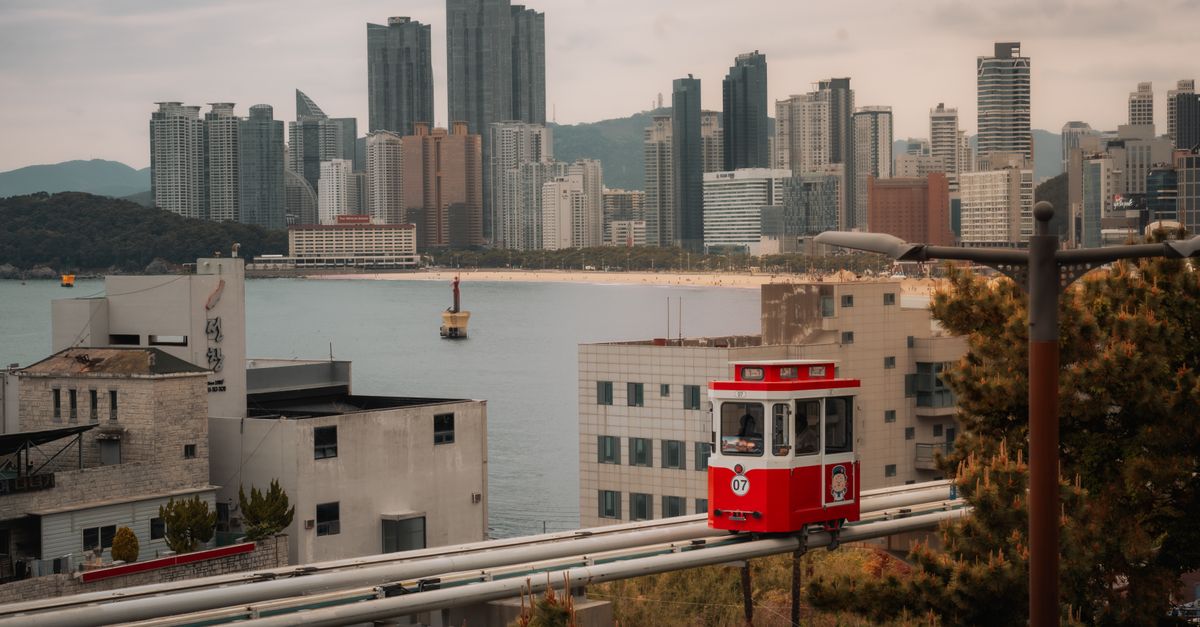
Photo plan
If you want a photo of your transport card for reference, take a clear shot of the card front and back. Also snap a photo of the subway map at the station entrance—it helps with route planning. For Instagram, a shot of the card next to a Busan landmark (like Haeundae Beach or Gamcheon Culture Village) makes a nice memory.
Mistakes to avoid
- Insufficient balance: Always check your card balance before starting a trip. Some card readers show the remaining balance after tapping. If you run out mid-trip, you may not be able to exit the subway.
- Forgetting to tap out on buses: If you don't tap when alighting, you may be charged the maximum fare and lose transfer discounts on your next ride.
- Confusing card types: T-money and Cashbee are interchangeable for transport in Busan. Avoid specialized regional cards that may not work nationwide.
- Leaving with high balance: If you have a large remaining balance and don't plan to return, get a refund at a convenience store or subway customer service office. A small fee (usually 500 KRW) may apply.
Source check
- Check VisitKorea transportation card guidance for general Korean transportation card usage.
- Check Busan Metropolitan City public transportation information for current Busan transit context.
- Check the Busan Transportation Corporation fare guide before relying on fare or transfer details.
- Check the Tmoney Korea Tour Card page for traveler-facing Tmoney details.
FAQ
Q: What is the difference between T-money and Cashbee cards?
A: Both work identically for public transport in Busan and across most of South Korea. T-money is more common nationwide, while Cashbee originated in the Busan/Gyeongnam region. For a foreign traveler, either card is fine.
Q: Can I get a refund for the remaining balance on my transport card?
A: Yes, you can get a refund at convenience stores or subway station customer service offices. A small service fee (around 500 KRW) may be deducted. The card purchase fee is non-refundable.
Q: Can I use my Busan transport card in other Korean cities?
A: T-money cards are accepted in most major cities (Seoul, Daejeon, Daegu, Gwangju, etc.). Cashbee also works widely, especially in the southeast region. For remote areas, check local acceptance.
Q: Can I use a credit card directly on Busan public transport?
A: No, credit cards are not accepted for tapping on subway gates or bus card readers. You must use a transport card or buy a single-journey ticket. Some newer payment methods may emerge, so check official sources for updates.
Why this guide is reliable
Source-aware review
Built around official information, field notes, and traveler failure points.
Backup options included
Highlights what to do when maps, payment, transport, or timing does not work as expected.
Freshness check
Travel details can change, so each guide shows the last review date.
Related guides
Continue with nearby Korea travel decisions that often affect the same itinerary.
Korea eSIM, SIM, and Wi-Fi: Best Setup for Foreign Travelers
For most foreign travelers in Korea, an eSIM is the best option because you can set it up before departure and keep your home number for SMS verification. A.
Village Transport Etiquette Foreign in Korea: Practical Guide for Foreign Travelers
In Korean villages (마을, maeul), transport etiquette is simple but important. Greet the driver when boarding with a nod and "안녕하세요" (annyeonghaseyo), and say.
Planning Your Family Trip to Korea: A Practical Itinerary Guide for Foreign Travelers
Discover how to plan a practical family itinerary for your trip to Korea. Learn about transport, activities, and essential checks for a smooth travel experience.
First-trip planning path
Use these guide links together when a first Seoul day depends on arrival transport, maps, payment, and one anchor stop.
- 1Incheon Airport to Seoul transport
Choose AREX, airport bus, taxi, or van before your first city route.
- 2Naver Map vs Kakao Map
Pick the navigation setup that makes station exits and walking routes easier.
- 3Foreign card and payment backup
Avoid payment blocks before tickets, transit cards, taxis, or local bookings.
- 4Gyeongbokgung Palace first visit
Plan hours, tickets, hanbok entry, guard ceremony timing, photos, and backup stops.
Next step
Turn this guide into a trip plan
Use the most relevant booking, transfer, or group-trip option for this topic.